Top 8 Food Trends for 2026, decoded by Whole Foods Market
At the end of 2025, Whole Foods Market’s Trend Council revealed its forecast for the eight major food and beverage trends that will shape 2026.
These trends are identified by a collective of internal experts from the American retailer — including producers, buyers, culinary specialists, and on-the-ground operators : a company widely recognized as a pioneer in high-quality, natural food retail.
These predictions are grounded in a wide range of resources: deep industry expertise, close observation of consumer behaviors and expectations, and strong collaborations with emerging brands.
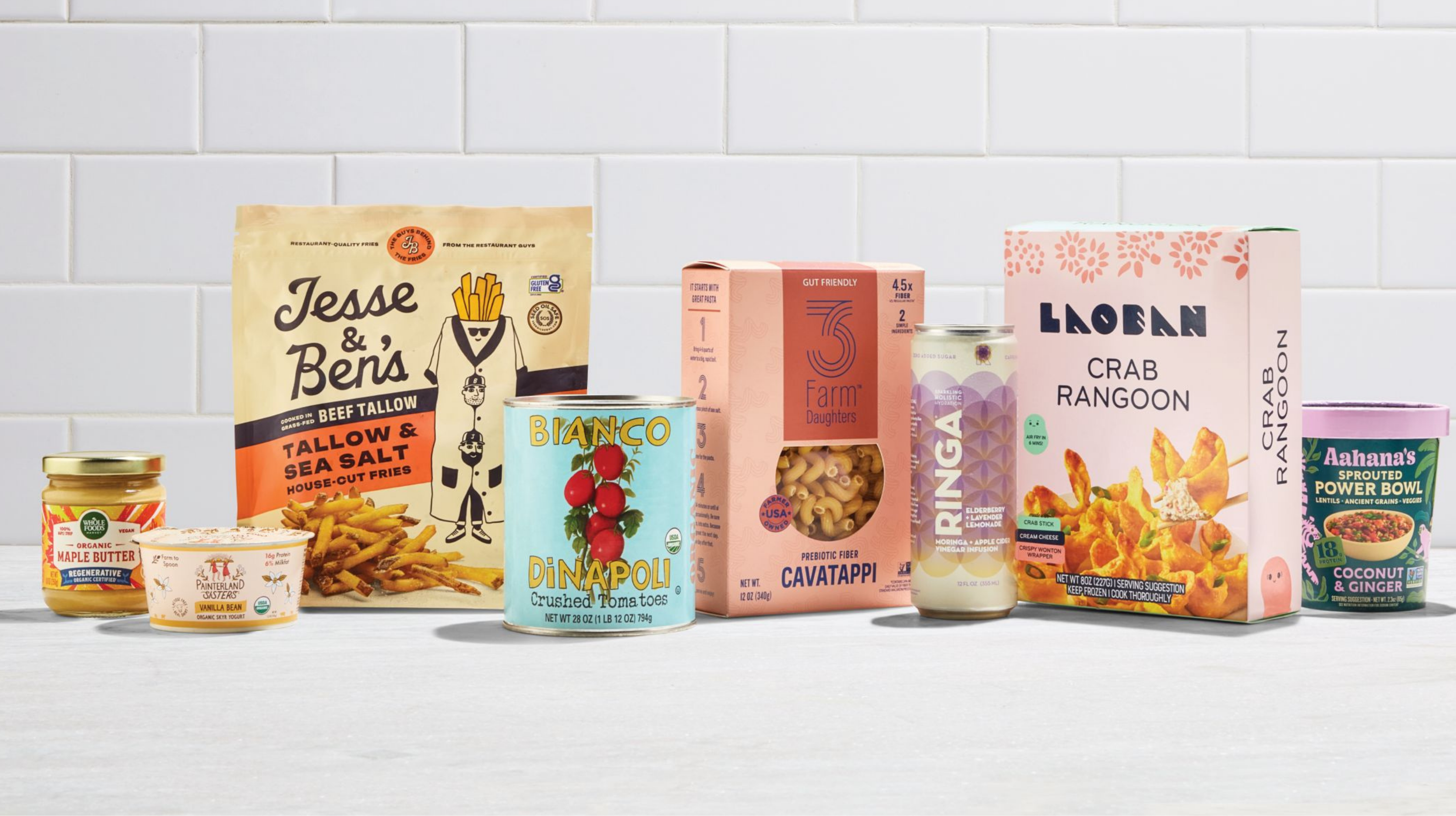
In this article, discover the eight food and beverage trends set to transform the culinary landscape and consumer habits in 2026, according to Whole Foods Market.
Trend 1: The Year of Women Farmers
Women are becoming increasingly visible in agriculture — in the media, at industry events, and on brand packaging. Organizations such as the National Young Farmers Coalition are supporting this shift by financially assisting young farmers, with particular attention to women and underrepresented groups.
In fact, 2026 has been declared the “International Year of Women Farmers” by the UN Food and Agriculture Organization (FAO).
This trend encourages greater recognition of local and ethical sourcing, strengthening both traceability and brand storytelling.
Tendance 2 : Couture Kitchen (Dopamine Décor)
This trend celebrates a more joyful, expressive, and colorful approach to food from products to kitchen interiors and plate presentation. Packaging is no longer meant to be hidden away in cupboards; it has become a design object in its own right. Bold colors and playful shapes take center stage.
For brands, this is a powerful differentiation lever: products are now designed to be proudly displayed on shelves or countertops, just like a beautiful design object. The kitchen becomes a space for self-expression, where aesthetics enhance the pleasure of eating.
Trend 3: Mindful Sweet Treats
Sweet indulgence is here to stay but the way we enjoy it is evolving. Consumers are moving away from refined sugars in favor of more natural and subtle alternatives such as honey, maple syrup, dates, whole fruits, and cane sugar.
On social media, food creators are embracing this movement with “healthier” recipes, like peanut butter and date–based chocolate bars. This growing awareness is pushing brands to rethink their formulas and embrace a clean-label approach, where transparency and ingredient quality are key.
Trend 4: Fiber Takes Center Stage
High-fiber foods are gaining momentum, right behind protein, as consumers become more focused on digestive comfort and gut health. Anti-inflammatory diets are increasingly shaping everyday food choices.
Pasta, bread, crackers, snack bars, cassava, chicory, and probiotic drinks are all being sought after for their satiety and digestive benefits. For brands, this booming demand creates a real opportunity to rethink packaging and labels, highlighting fiber content as a key value driver and point of differentiation.
Trend 5: The Vinegar Era
Vinegar is making a major comeback as the star ingredient of 2026. It’s showing up everywhere: in cocktails and mocktails, sauces, marinades, fruit-based fermented drinks, and more.
The trend favors artisanal, fermented, and infused vinegars with complex flavor profiles. Vinegar is also valued for its digestive benefits, similar to those of probiotics, a compelling selling point for gut-health-conscious consumers. Brands and restaurants alike are set to explore new culinary uses and experiences built around vinegar.
Trend 6: Gourmet Goes Frozen
Gastronomy is entering the frozen food aisle. Premium, restaurant-quality frozen meals are booming and earning a place in consumers’ freezers.
High-end ready meals, refined starters, creative sides, and indulgent desserts are appealing to shoppers who want quality, convenience, and pleasure. The goal is to recreate a true restaurant experience at home. For brands, this opens the door to innovation by blending chef expertise, culinary inspiration, and time-saving convenience.
Trend 7: The Return of Tallow
Tallow is a white, creamy, nutrient-rich fat that was traditionally used for cooking and frying. Today, it is making a comeback in professional kitchens as a natural alternative to industrial oils.
It is heat-stable, rich in fatty acids, and full of flavor. Beyond taste, tallow also fits into a sustainability mindset: instead of being discarded, this fat is upcycled and given a second life in the kitchen. According to Whole Foods Market, tallow could soon appear in many forms : whipped, herb-infused, and even in pastries.
Trend 8: Reinvented Instant Food
Ready-to-eat food is undergoing a premium transformation. As consumers seek fast, portable, and convenient solutions, instant products are becoming more refined and higher quality.
Barista-style lattes to go, soups, functional express meals, and nutrient-rich instant broths fit perfectly into modern, on-the-go lifestyles : delivering convenience without compromising on quality. This is a winning trend for the entire ready-to-eat sector !
In conclusion, all these trends share one common thread: they reflect a shift toward new, more conscious consumption habits that brands must adapt to. Couture kitchens, premium frozen meals, reinvented instant food, fiber, vinegar, and natural sweeteners are all strong signals of a food culture that is more intentional, more functional, and better aligned with today’s expectations.
Photo credit: Whole Foods Market