Snacking in 2026: trends, transformations and opportunities for food industry players
The latest Speak Snacking 2026 study highlights several key challenges for food service professionals operating in the snacking sector. In this article, we will explore the latest market developments and evolving consumer expectations, as people increasingly seek indulgent, convenient, and differentiated food experiences, even in a context of tighter budgets.
The snacking market in 2026: a booming segment in commercial foodservice
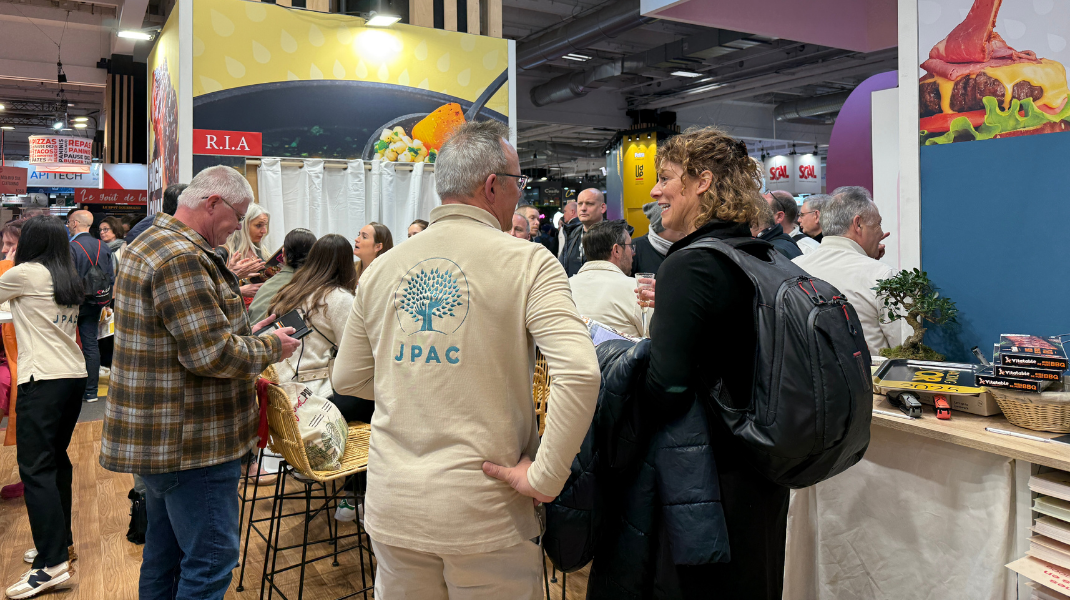
Snacking continues to establish itself as one of the most dynamic segments in the foodservice industry. In 2026, it is no longer limited to a simple “grab-and-go” meal or a quick alternative to a traditional lunch. Over the past few years, it has become a true growth driver within the commercial catering sector. Total revenue generated by the snacking market (including bakeries and pastry shops) reached €20.6 billion in 2025, compared to €20.1 billion in 2024. This growth is also reflected in the increase in the number of brands and chains, rising from 494 to 527.
As highlighted in the Speak Snacking 2026 study, consumers now have multiple expectations when it comes to snacking: they seek the perfect balance between “quality, price, and satiety,” while also looking for indulgence and multiplying eating occasions throughout the day (breakfast, lunch, afternoon snacks, aperitifs, etc.).
As a result, snacking has become a true playground for innovation, driven by the rise of hybrid concepts and increasingly “experiential” formats. This can be seen in the success of crispy chicken brands such as Tasty Crousty and Master Poulet, as well as more creative concepts like the “push-up” sushi maki tubes from C’Roll Sushi Paris.
These concepts perfectly illustrate the sector’s ability to innovate and constantly reinvent itself to match today’s consumer expectations.
For restaurateurs, distributors, and food industry professionals, the snacking market is undergoing a profound transformation and opening up new opportunities. Adapting to the current economic climate and evolving consumer expectations is now essential.
Pizza, burgers, and kebabs remain consumers’ favorite snacking options
At a time when consumers remain cautious about their spending, the most popular dishes — considered “generous” and “comforting”, continue to thrive.
According to the Strateg’eat study:
- Pizza remains the French people’s favorite product (47%)
- Burgers follow at 31%
- Kebabs reach 25% of consumer preferences
Sandwiches, pasta dishes, croque-monsieurs, quiches, and focaccias also confirm the strong comeback of comforting foods.
As Nicolas Nouchi, Food Service expert and founder of Strateg’eat, stated during the Snack Show:“Consumers are looking for the best value for money and satiety.”
This concept has now become central to purchasing decisions and must be carefully considered by food industry players.
The Speak Snacking 2026 study also reveals that French consumers visit an average of four different types of snacking establishments. Bakeries top the list of favorite destinations, ahead of pizzerias, fast-food chains, and Asian specialty restaurants.
Bakeries, coffee shops, and supermarkets: the biggest winners in snacking
As mentioned earlier, bakeries are also highly favored in the snacking market. Dominique Anract, President of the National Bakery Confederation, interviewed during Snack Show 2026, noted a major diversification in bakery offerings: premium sandwiches, focaccias, reinvented croque-monsieurs, hot meal options, and globally inspired recipes.
In some bakeries, snacking now represents between 10% and 60% of total revenue — making it a non-negotiable business segment.
This transformation directly responds to new consumer expectations:
- Speed
- Convenience
- And above all, affordability
Another rapidly growing segment is coffee shops. According to the Speak Snacking 2026 study, innovative and premium beverages are especially appealing to younger generations (Gen Z), including:
- Matcha
- Chai latte
- Signature drinks
- Plant-based alternatives
The study also states that 77% of French consumers now drink hot beverages outside the home.
Coffee shops are increasingly becoming social and workspaces as well. The study reveals that 25% of professional meetings among under-25s now take place in coffee shops or bakeries.
Finally, alongside the rise of bakeries and coffee shops, supermarkets and grocery retailers are also benefiting from the snacking boom by offering products built around the same promise: combining quality, affordability, and satiety.
Examples include:
- Prepared salads
- Various sandwich formats
- Pasta boxes (especially from Sodebo)
- International-inspired recipes (Asian beef salad, rougail sausage rice boxes, etc.)
Increasingly strong psychological price limits, offset by the pursuit of pleasure
One of the key findings from the Speak Snacking 2026 study concerns consumers’ growing sensitivity to prices. Average weekly spending on out-of-home food consumption now reaches €37, and €42 among under-25s, a sign that the market remains highly attractive.
According to Strateg’eat, consumers establish psychological price limits depending on what they choose to eat.
For example:
- €12.90 is considered the maximum acceptable price for a fast-food lunch
- €11.41 for a pizza
- €9.20 for a burger
These psychological thresholds encourage food professionals to adapt both their offers and business models.
Yet despite this budget-conscious mindset, consumers are primarily looking for indulgent and increasingly differentiated experiences.
The study notably reveals that:
- 27% of consumers consider generous portion sizes a determining factor when choosing where to eat
- 27% are willing to exceed their budget to treat themselves
As Nicolas Nouchi explains: “Consumption is becoming compensatory, more intense, and more demonstrative.”
The success of fried chicken, burgers, push-up makis, and ultra-indulgent products perfectly illustrates this “comfort food” consumption trend.
What opportunities does the snacking market offer food industry players?
The snacking market opens up new opportunities for businesses capable of quickly adapting their offerings — and innovation becomes a strategic lever.
In an increasingly competitive market, professionals must continuously renew their concepts and move toward more flexible and hybrid models.
As Nicolas Nouchi reminds us:
“Snacking retains strong appeal, but it must constantly adjust its model to remain accessible and desirable.”
For manufacturers and foodservice partners, this evolution creates a growing need for:
- Product innovation
- Fast operational solutions
- A deep understanding of new consumer habits
With the upcoming World Cup approaching, predictions about the snacks that will dominate the market are already fueling excitement — and we have already referenced 100% of these products!
Crispy chicken is emerging as one of the biggest snacking trends of 2025 and continues its rise into 2026. The breaded and fried chicken fast-food market is now worth nearly €1.2 billion, driven in particular by the expansion of franchises such as Master Poulet and Tasty Crousty.
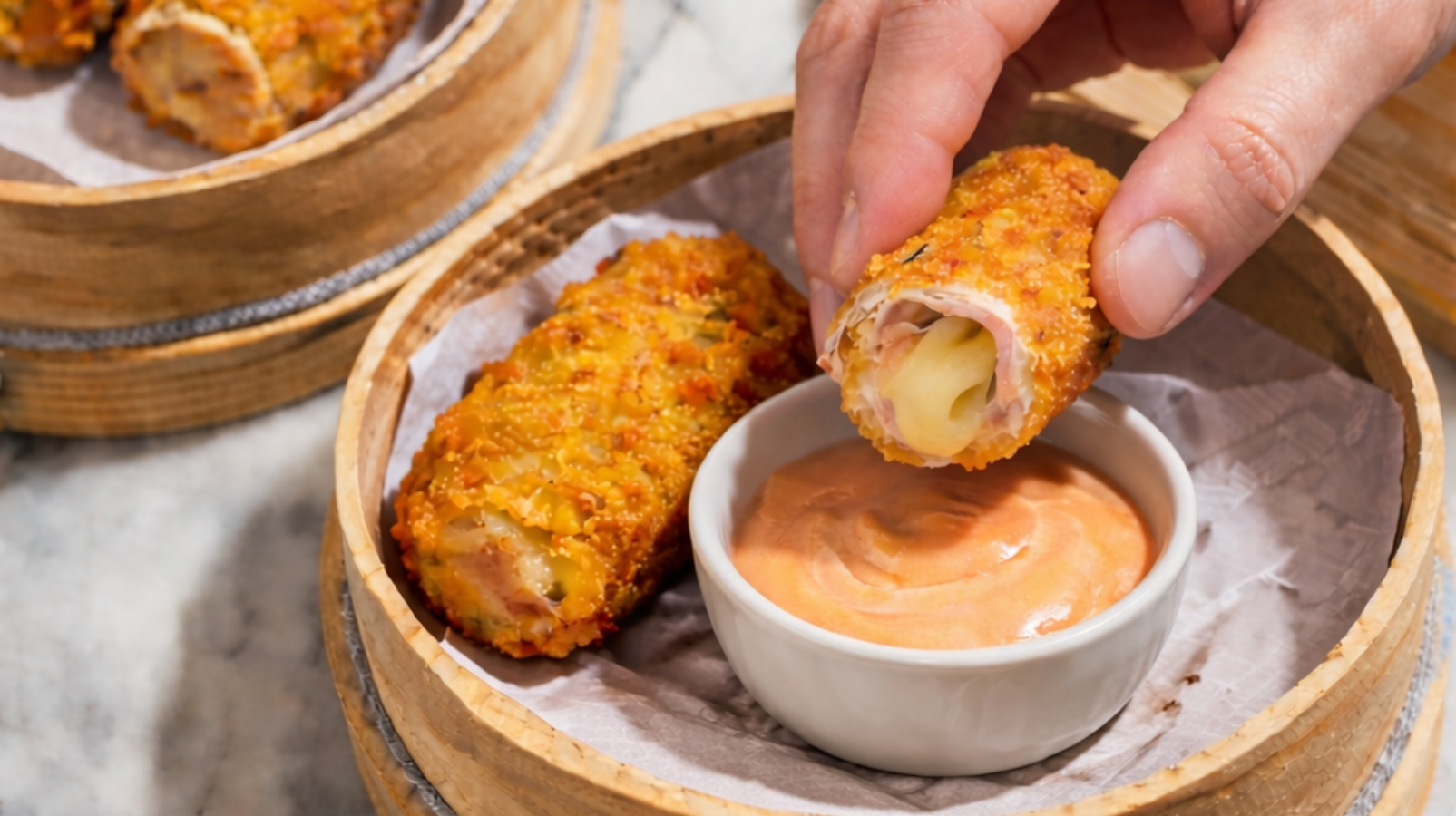
Hot dog sausages and corn dogs are also available in multiple versions: pork, turkey, or vegan alternatives. These products are suitable for both dine-in and takeaway consumption while remaining easy to eat on the go.
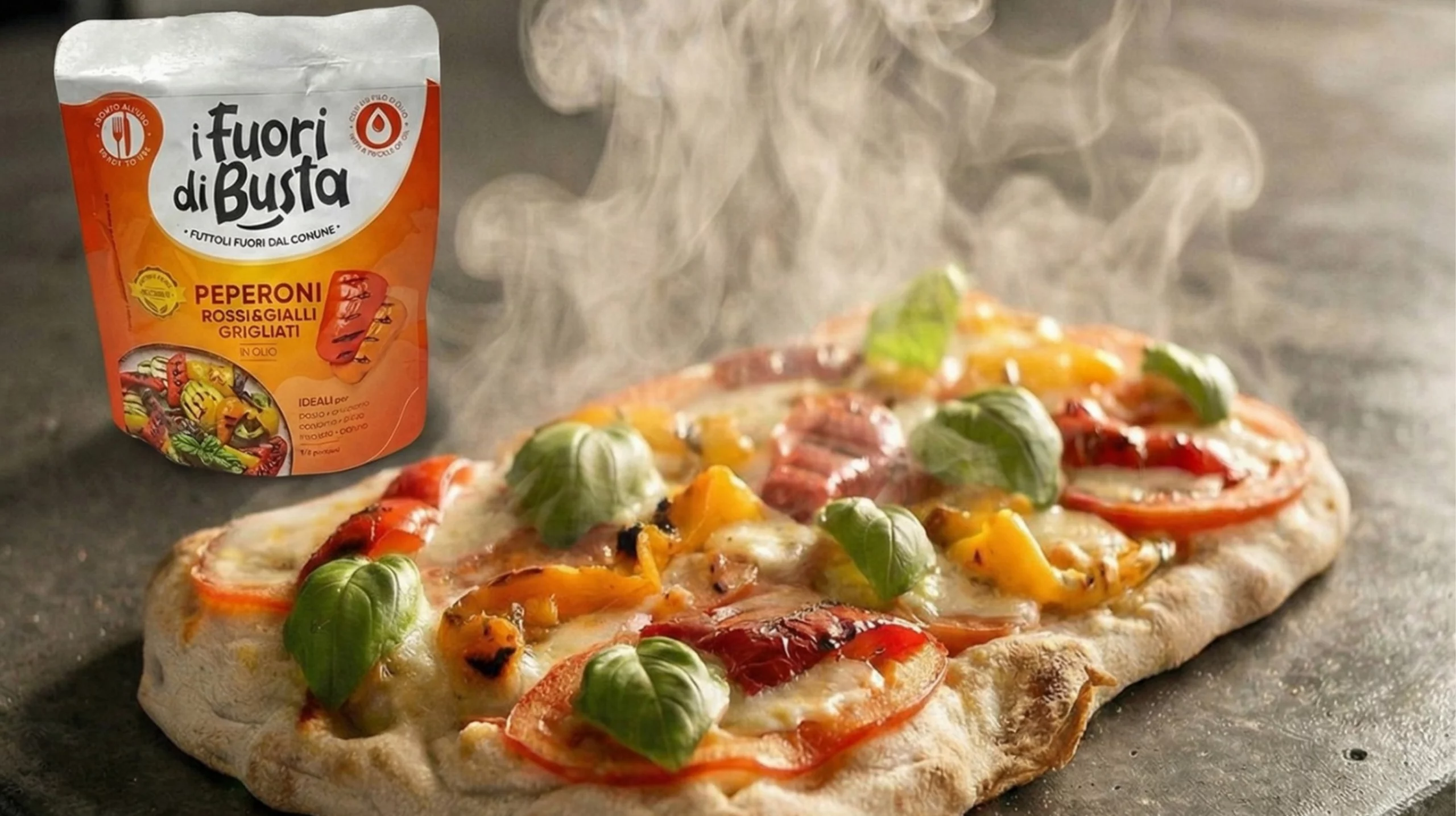
Italian snacking also continues to thrive. Beyond pizza, the market is expanding with the growing popularity of formats such as pinsa.
And if you too would like to become one of the winners in the snacking industry ↓
Contact us:
📩 info@jpac.eu
📞 +33 1 39 14 48 13
Sources : Snacking, Agro Media, Ze Pros